01
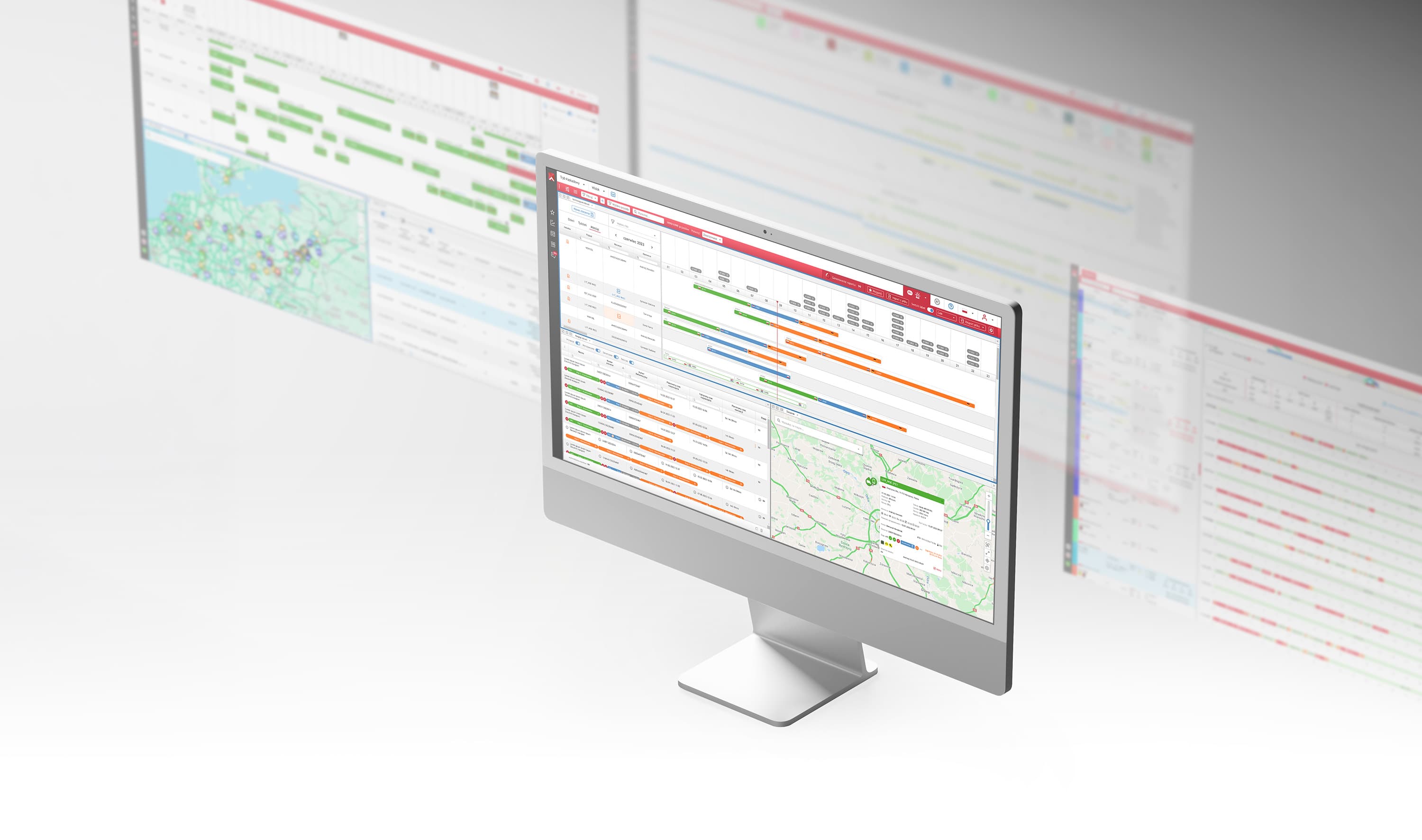
Atrax TMS
Also available on mobile.
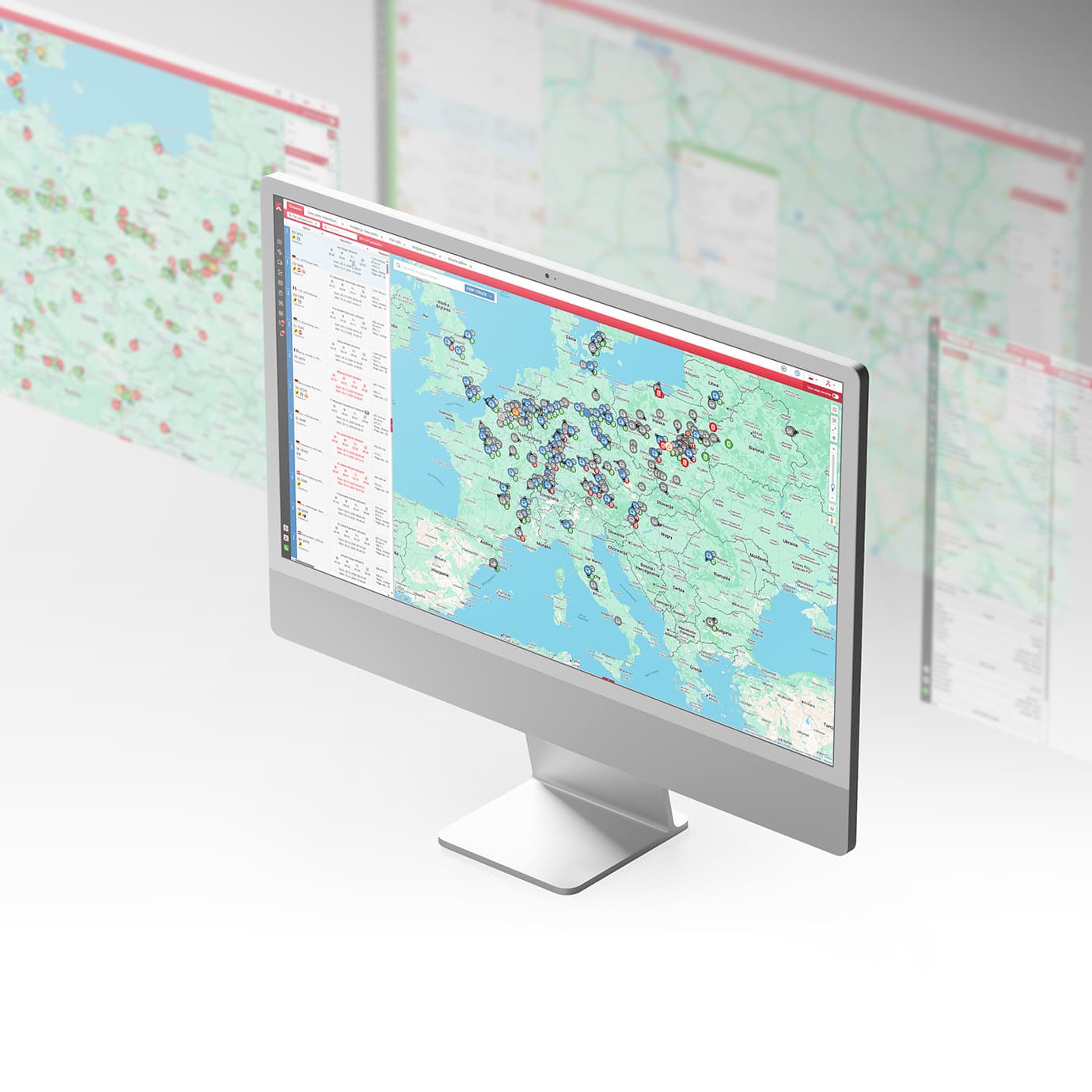
Transport planning, execution, and control within one system.
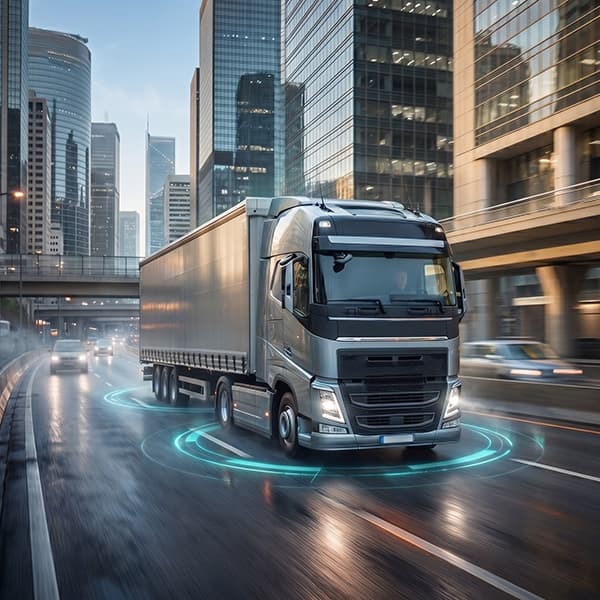
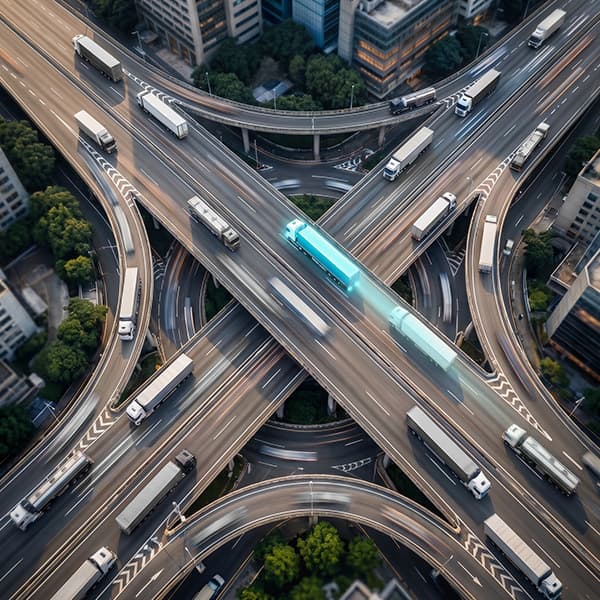
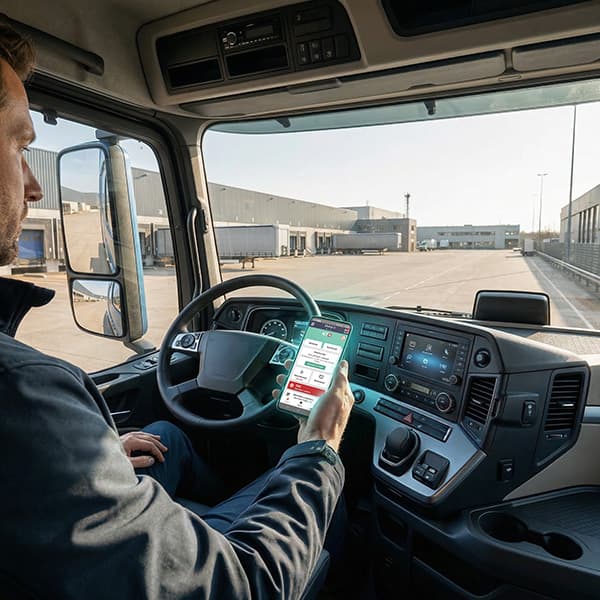
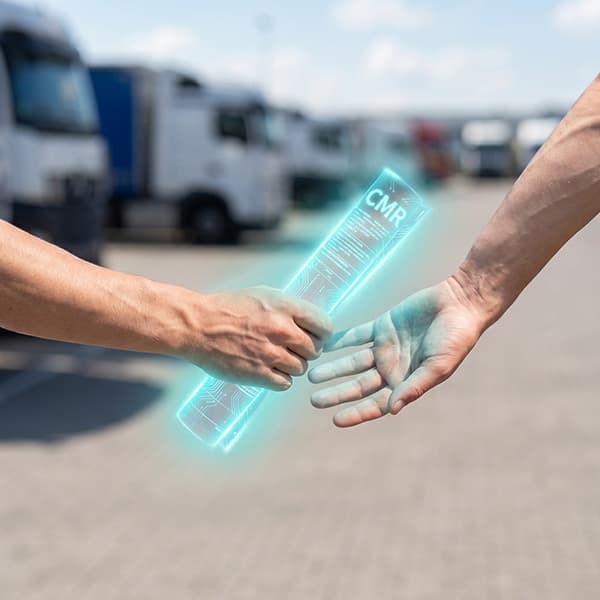


Transport planning, execution, and control within one system.

Creating and editing orders takes place within one system, reducing data fragmentation and minimizing the risk of errors.
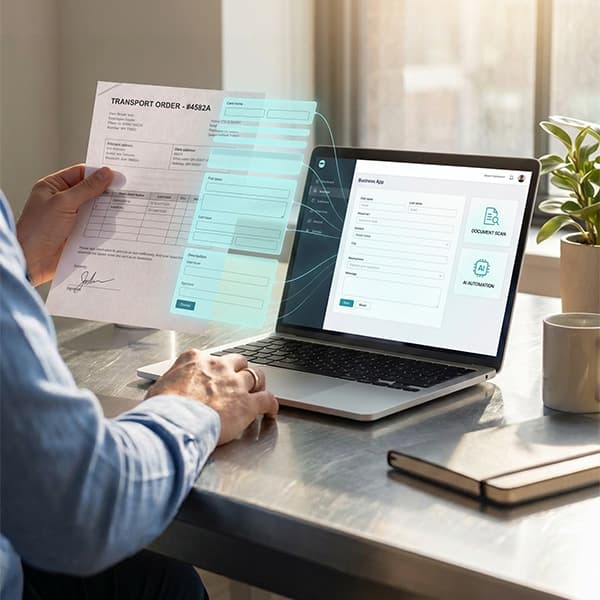
Faster order data entry with AI-powered document scanning.
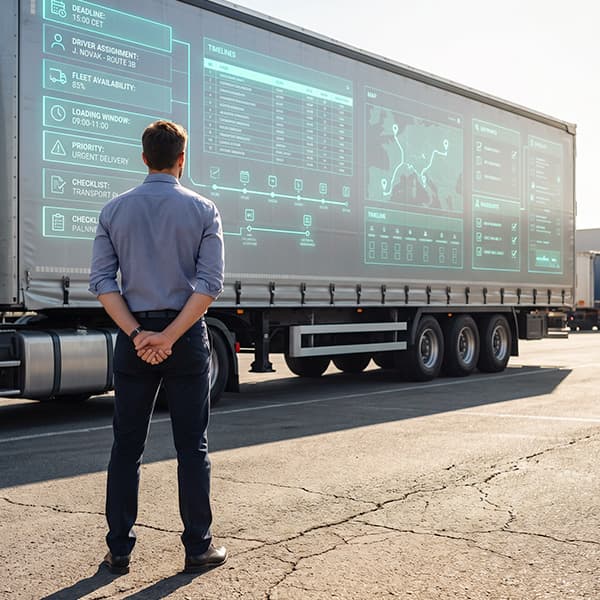
The system simplifies assigning vehicles, drivers, pickup times, and delivery dates, helping organize transport operations from the very beginning.
Order status, execution stages, and activity history remain continuously available, making ongoing supervision easier.
Order costs, revenue, and profitability are visible within the system without additional calculations, supporting faster operational and financial decision-making.

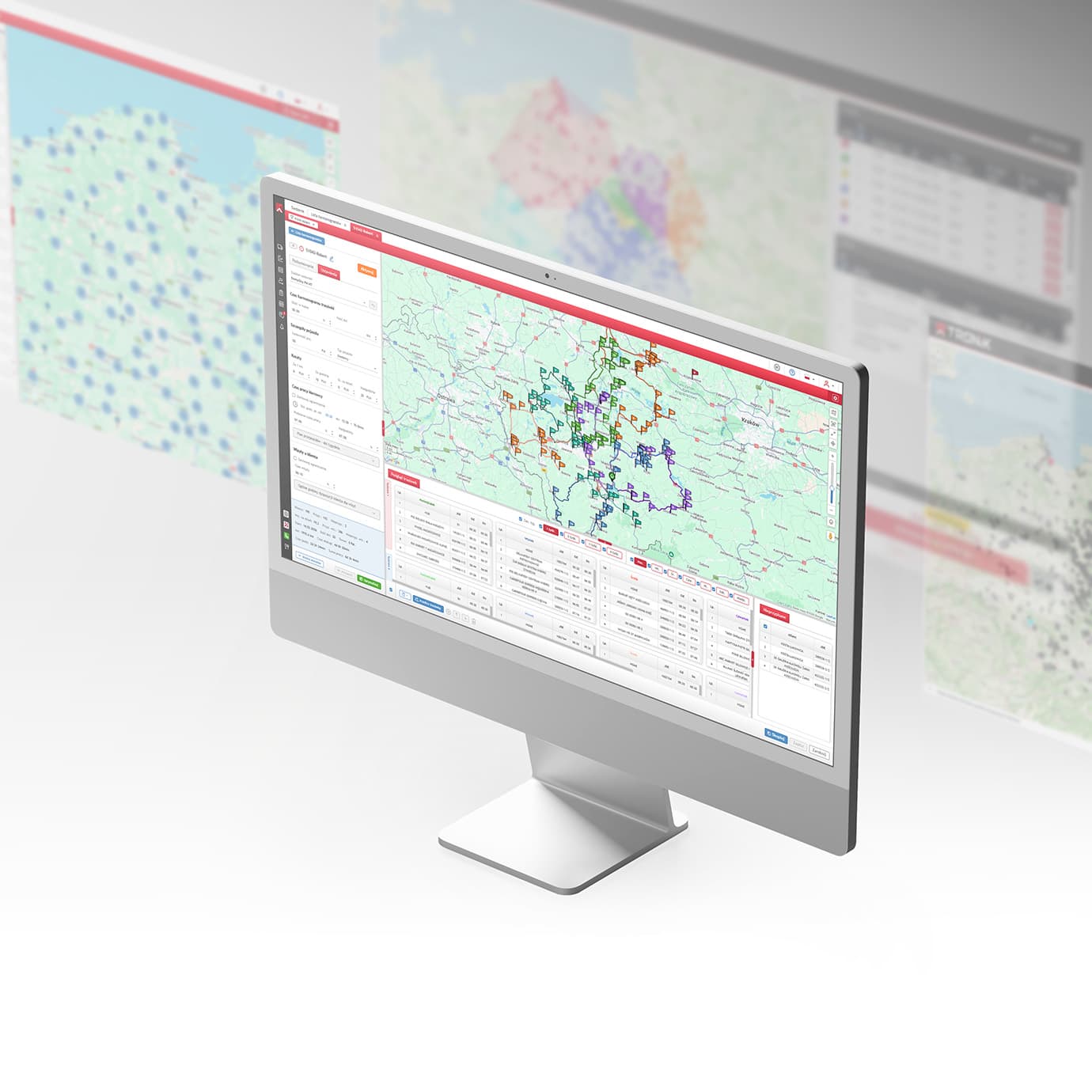
More efficient transport and route planning improves work organization, reduces unnecessary downtime, and supports on-time order execution.
Better matching of vehicles to planned transports increases fleet utilization and helps maintain operational continuity.
Greater visibility into driver schedules supports better coordination and reduces the risk of disruptions in transport operations.
Continuous insight into vehicle availability, transport schedules, and fleet workload helps support more effective operational decision-making.

The system displays the current order status and execution stage, making it easier to supervise transport operations in real time.
Vehicle location data helps track order execution more effectively and enables faster response to changes affecting delivery operations.
Visibility into estimated arrival times and delay information supports quicker response and better management of ongoing operations.
The history of transport-related events remains available in the system, making it easier to analyze order execution and verify activities afterward.

The system helps compare route options and select journeys better suited to operational conditions, delivery times, and transport costs.
Improved planning of operational points helps organize transport flow and increase the utilization of available resources.
The system organizes information about routes, costs, and operational processes, making analysis easier and supporting further transport optimization.

The system allows orders and routes to be sent directly to the driver from the platform, improving information flow and supporting transport execution according to plan.
Continuous contact with drivers, supported by automatic message translation, makes it easier to share important information in real time and respond more quickly to route changes
Documents can be sent and returned in an organized way, shortening information flow time and reducing manual administrative work.
Drivers have access to up-to-date operational information in one place, increasing transparency and making daily work on the road easier.

The system organizes key driver information, providing faster access to the data needed for daily operations.
Visibility into driver availability helps improve transport planning and better match resources to orders.
Linking drivers with vehicles and assigned transports makes ongoing operational supervision easier.
Organized driver information helps quickly identify missing data and improves control over areas critical to transport continuity.

The system gathers key cost information within one environment, making ongoing analysis easier and increasing the transparency of operational settlements.
Cost data assigned to routes and orders helps quickly assess which operations are more demanding and where deviations from assumptions occur.
Comparing costs and revenue provides a clearer picture of transport profitability and supports more accurate business decisions.
Continuous access to cost data makes it easier to identify losses, excess costs, and areas requiring greater control.

The system allows key information related to vehicle handover and return to be recorded, increasing the transparency of the entire process.
Data on vehicle condition and equipment helps verify compliance during handover and reduces the risk of disputes afterward.
Information stored in the system remains available for later review, making it easier to analyze and reconstruct the handover process.
A structured handover protocol helps clearly define responsibilities and increases control over the vehicle transfer process.

The system uses order data to prepare invoices, reducing workload and minimizing the need for manual data entry.
Linking invoicing with operational data helps maintain better consistency between transport execution and settlement documents.
Visibility into settlement information makes it easier to monitor payments and respond more quickly to delays.
A structured invoicing process helps reduce mistakes and improves workflow efficiency between operations and administration.
Integration with KSeF, Optima, Insert, Symfonia and support for multiple currencies help streamline settlements and improve financial control.

The system organizes key operational information and presents it in a consistent way, making analysis easier and reducing the need for manual data compilation.
Reports help assess transport execution, resource utilization, and order completion levels, increasing transparency across operational activities.
Analytical data supports the evaluation of costs and profitability of individual operations, helping make more accurate business decisions.
Report analysis makes it easier to identify recurring issues, deviations, and areas requiring greater control or optimization.
Within the ATRAX platform, you can take advantage of existing solutions provided through our network of partners.
Each stage of cooperation leads from needs analysis to implementation and further solution development. This ensures the system is tailored to the fleet, operations, and real business challenges.
01
We discuss your fleet’s needs.
02
We analyze the fleet, processes, and operational workflows.
03
We select technology solutions that best address real operational needs.
04
We prepare a tailored proposal and an initial system concept for your organization.
05
We adapt the system to technical and operational requirements.
06
We install the devices, configure the environment, and train the team in the system’s daily operation.
Explore our other products


Connect KT4 with solutions that support transport planning, monitoring, and security. Gain a unified working environment and full control over transport operations.
Dispatchers can stay in contact with drivers even outside the office, while all communication remains available within one system. This simplifies daily operations, reduces communication chaos, and increases control over transport execution.

Tested across a wide temperature range, it helps ensure cargo arrives safely at its destination. Through the intuitive ATRAX4 platform, authorized employees can remotely lock and unlock trailer doors and, when needed, generate a unique access code for the driver. The telematics system also enables real-time trailer tracking and provides route and event reporting.